English
 РусскийEnglishРусский


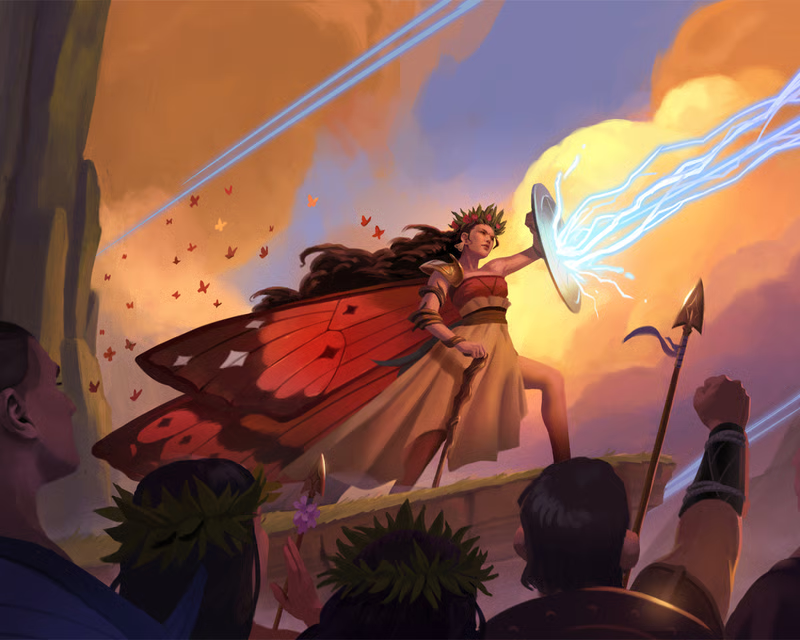
You have a deeply personal trinket that can be infused with protective magic and held as a ward by you or an ally. Describe what it is and why it’s important to you. The ward’s holder can spend a Hope to reduce incoming damage by
If the Ward Die result is 8, the ward’s power ends after it reduces damage this turn. It can be recharged for free on your next rest.

At the beginning of a session, place a number of tokens equal to your Spellcast trait on this card.
Make a Spellcast Roll against a target within Far range and spend any number of tokens to channel raw energy from within yourself to unleash against them. On a success, roll a number of
At the end of each session, clear all unspent tokens.
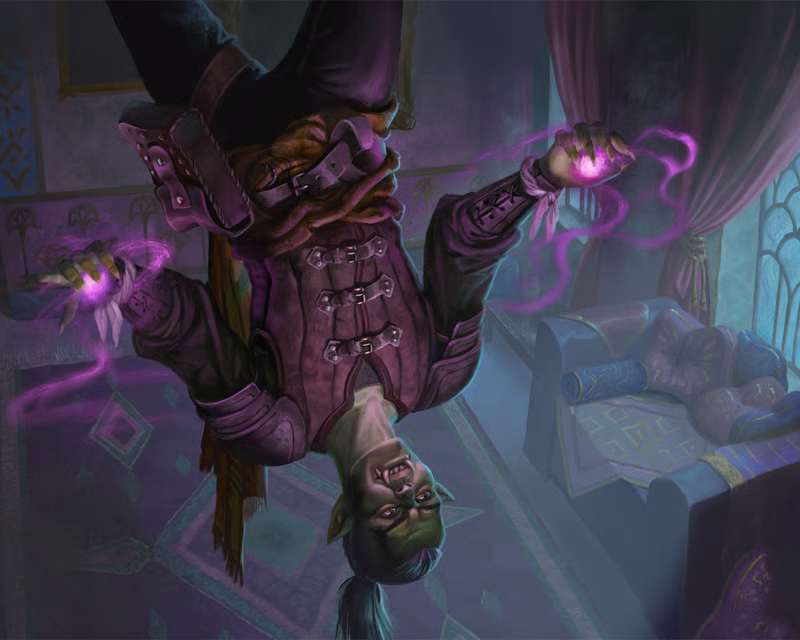
Spend a Hope to allow a creature you can touch to climb on walls and ceilings as easily as walking on the ground. This lasts until the end of the scene or you cast Wall Walk again.
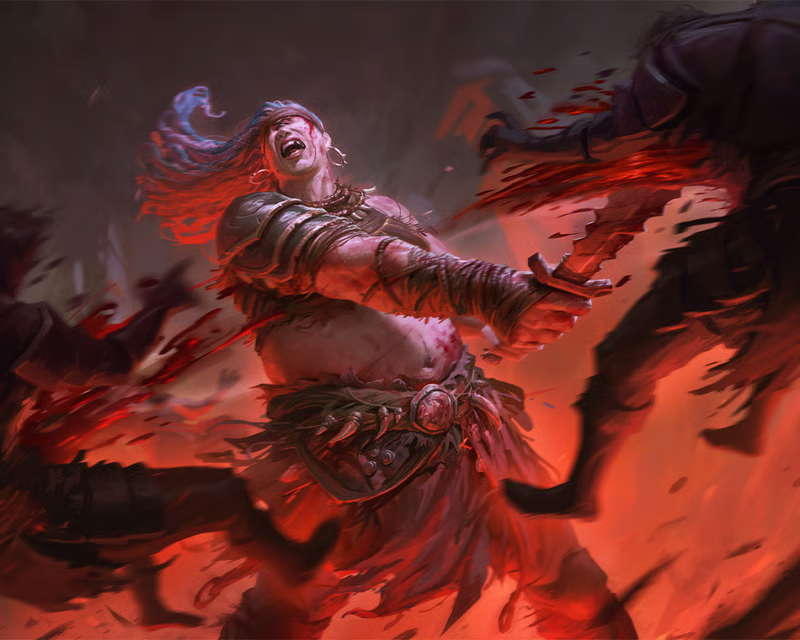

When you roll your damage dice, you can reroll any 1s or 2s.
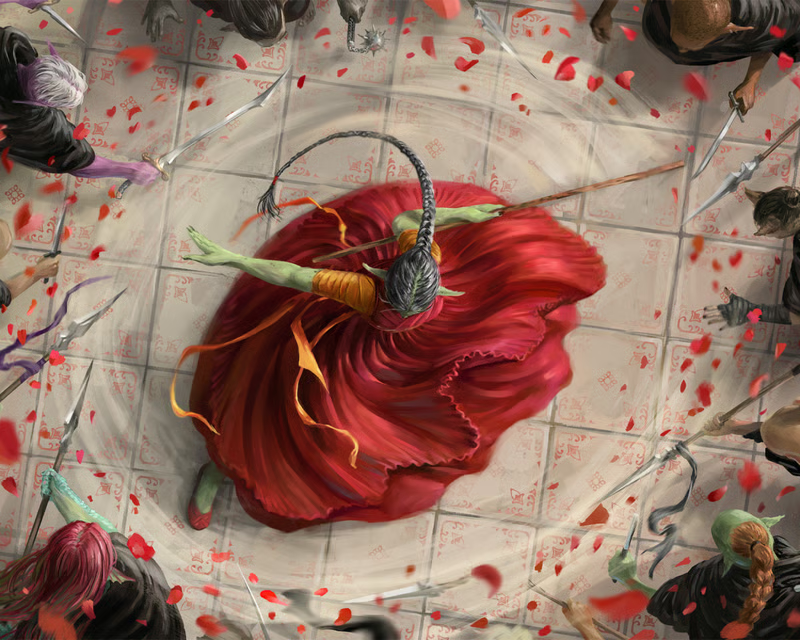
When you make a successful attack against a target within Very Close range, you can spend a Hope to use the attack against all other targets within Very Close range. All additional adversaries you succeed against with this ability take half damage.

Make a Spellcast Roll against a target within Close range. On a success, spend a Hope to deal
Mark a Hit Point to conjure a talisman infused with your life essence. When the bearer of the talisman would take Severe or greater damage, they can destroy the talisman and reduce the damage by two thresholds. The talisman otherwise disappears when you take a rest or cast this spell again.
Когда вы отмечаете Рану, положите жетон на эту карточку, вплоть до максимума в размере вашей характеристики Заклинателя. При успешной атаке вы можете потратить любое количество жетонов, чтобы получить


Once per rest, mark a Stress to sprint anywhere within Far range without making an Agility Roll to get there.
If you end this movement within Melee range of an adversary and immediately make an attack against them, gain a +1 bonus to the attack roll.

When you’re targeted by an attack made from beyond Melee range, you can mark a Stress to roll a
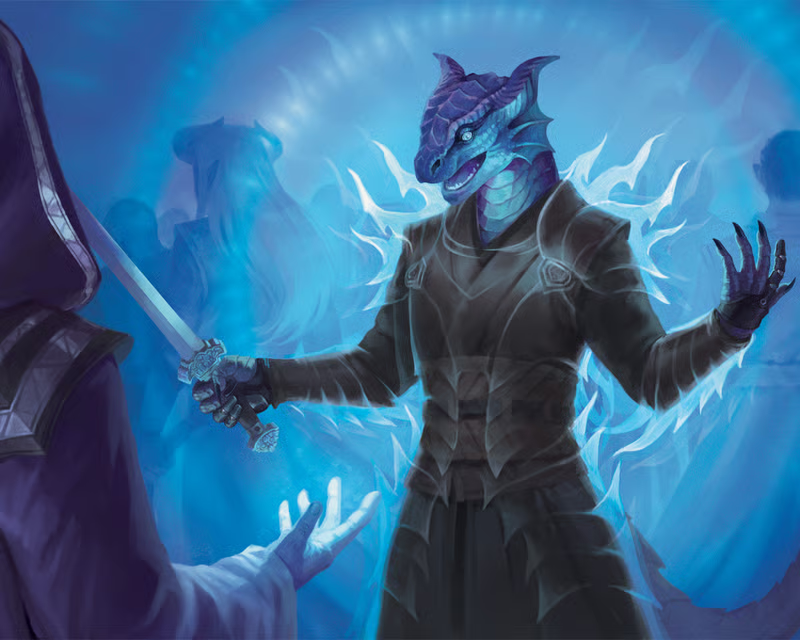

Make a Spellcast Roll against a target within Melee range. On a success, they’re knocked back to Far range and take
Spend a Hope to give a target you can touch a +1 bonus to their Armor Score until their next rest or you cast Tava’s Armor again.
Make a Spellcast Roll (12) to summon a large ice spike within Far range. If you use it as a weapon, make the Spellcast Roll against the target’s Difficulty instead. On a success, deal
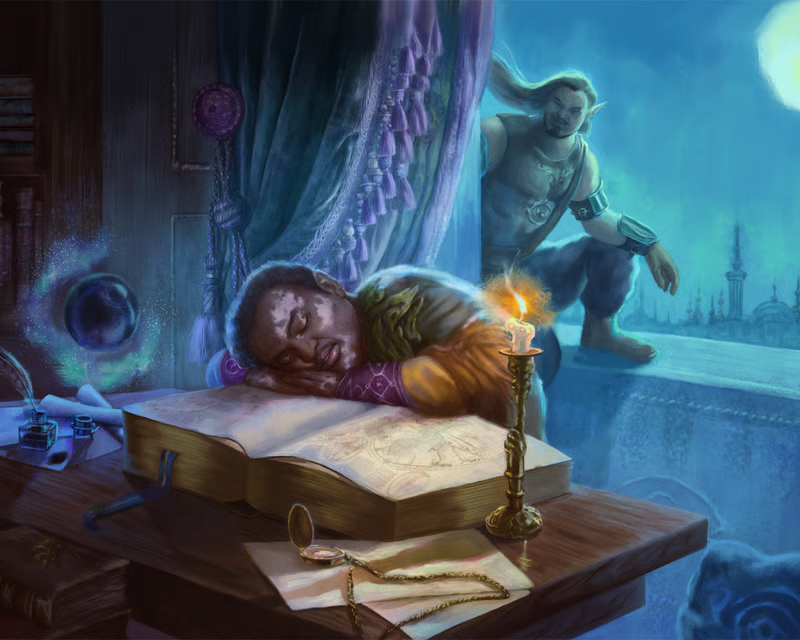
Make a Spellcast Roll against a target within Very Close range. On a success, they’re Asleep until they take damage or the GM spends a Fear on their turn to clear this condition.
Once per rest, spend any number of Hope and shoot magical projectiles that strike a target of your choice within Close range. Roll a number of d6s equal to the Hope spent and deal that much magic damage to the target.
Spend a Hope to open a line of mental communication with one target you can see. This connection lasts until your next rest or you cast Telepathy again.

Make a Spellcast Roll against up to three adversaries within Melee range. Targets you succeed against take
You conjure a magical hand with the same size and strength as your own within Far range.
Make a Spellcast Roll (13) to cast a temporary thick fog that gathers in a stationary area within Very Close range. The fog heavily obscures this area and everything in it.

Make a Spellcast Roll against a target within Far range. On a success, the target takes
Once per rest, when you roll with Fear, you can spend any number of Hope to place an equal number of tokens on this card, encasing yourself in a shadowy energy. After an attack roll is made against you, you can spend any number of tokens to give the attack roll a -1 penalty per token. On your next rest, remove all tokens from this card.
You can magically speak directly into the ears of a creature you can see. To torment them with your words, make a Spellcast Roll against them. On a success, they must mark a Stress and become temporarily Vulnerable.


Make a Spellcast Roll against a target within Close range. On a success, they become temporarily Enraptured. While Enraptured, a target’s attention is fixed on you, narrowing their field of view and drowning out any sound but your voice. Once per rest on a success, you can mark a Stress to force the Enraptured target to mark a Stress as well.

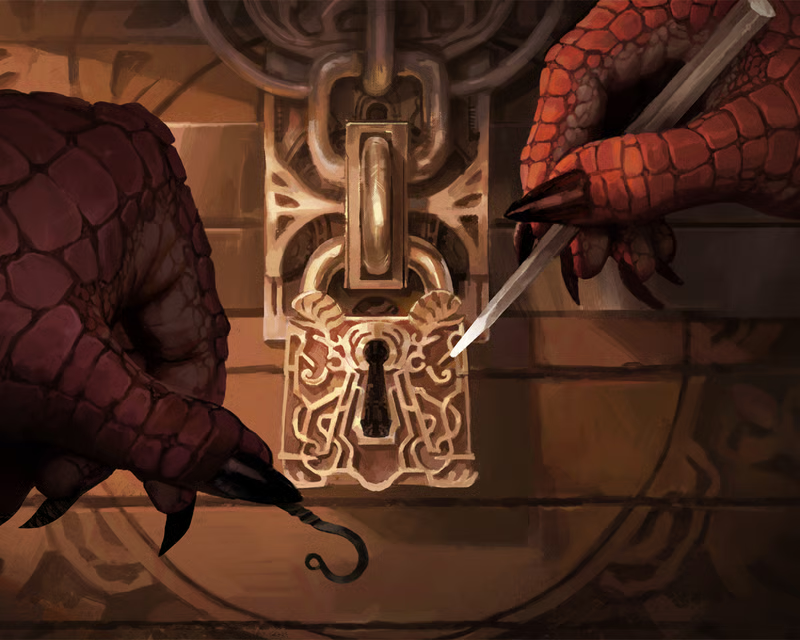

You have advantage on action rolls to pick nonmagical locks, disarm nonmagical traps, or steal items from a target (either through stealth or by force).

Spend a Hope to make a Spellcast Roll and conjure throwing blades that strike out at all targets within Very Close range. Targets you succeed against take
If a target you hit is Vulnerable, they take an extra

When you have a few minutes to prepare, you can mark a Stress to don the facade of any humanoid you can picture clearly in your mind. While disguised, you have advantage on Presence Rolls to avoid scrutiny.
Place a number of tokens equal to your Spellcast trait on this card. When you take an action while disguised, spend a token from this card. After the action that spends the last token is resolved, the disguise drops.


When you’re tracking a specific creature or group of creatures based on signs of their passage, you can spend any number of Hope and ask the GM that many questions from the following list.
When you encounter creatures you’ve tracked in this way, gain a +1 bonus to your Evasion against them.

You can speak the language of the natural world. When you want to speak to the plants and animals around you, make an Instinct Roll (12). On a success, they’ll give you the information they know. On a roll with Fear, their knowledge might be limited or come at a cost.
Additionally, before you make a Spellcast Roll while within a natural environment, you can spend a Hope to gain a +2 bonus to the roll.

Make a Spellcast Roll against a target within Far range. On a success, roots and vines reach out from the ground, dealing
Additionally on a success, you can spend a Hope to temporarily Restrain another adversary within Very Close range of your target.


Make a Spellcast Roll against a target within Far range. On a success, spend a Hope to send a bolt of shimmering light toward them, dealing

You lay your hands upon a creature and channel healing magic to close their wounds. When you can take a few minutes to focus on the target you’re helping, you can spend 2 Hope to clear a Hit Point or a Stress on them.
Once per long rest, when you spend this healing time learning something new about them or revealing something about yourself, you can clear 2 Hit Points or 2 Stress on them instead.

Once per rest, after an ally attempts an action roll but before the consequences take place, you can offer assistance or words of support. When you do, your ally can reroll their dice.


When you choose not to equip armor, you have a base Armor Score of 3 + your Strength and use the following as your base damage thresholds:

Make an attack with your primary weapon against a target within Melee range. On a success, you deal damage and knock them back to Close range. On a success with Hope, add a
Additionally, you can spend a Hope to make them temporarily Vulnerable.
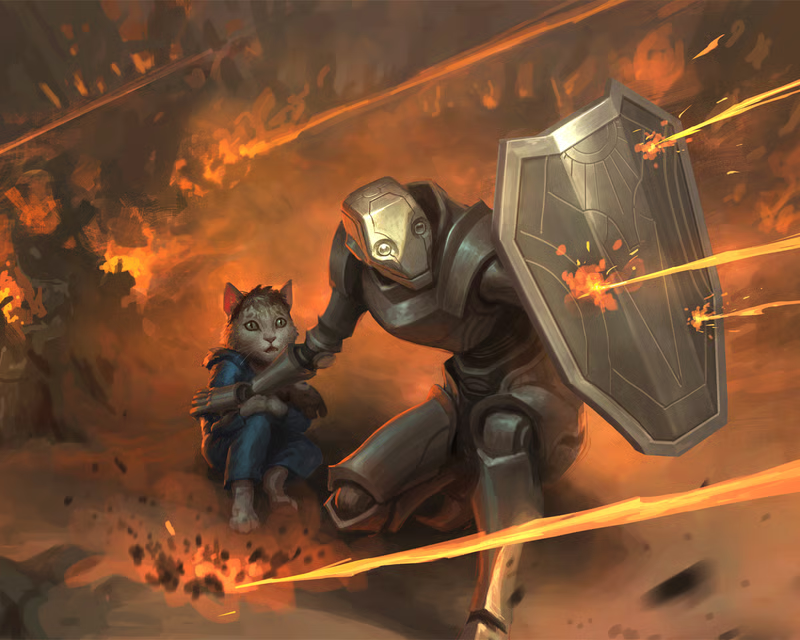
When an ally within Very Close range would take damage, you can mark a Stress to stand in the way and make yourself the target of the attack instead. When you take damage from this attack, you can mark any number of Armor Slots.

Make a Spellcast Roll against a target within Melee range. On a success, the target instantly bursts into flames, takes
When a creature acts while On Fire, they must take an extra

Spend a Hope to create a single, small floating orb that you can move anywhere within Very Far range. While this spell is active, you can see through the orb as though you’re looking out from its position. You can transition between using your own senses and seeing through the orb freely. If the orb takes damage or moves out of range, the spell ends.
When you succeed on an attack roll against a target, you can mark a Stress to Brand them until you take a long rest or cast this spell again. You always know the direction of the Branded target. If the Branded target deals damage to you, you can remove the Branded condition to make them mark 2 Stress.
When you or an ally makes an action roll to frighten or intimidate a creature within Close range, you can spend a Hope to give the roll advantage. On a success, the target marks a Stress.
Additionally, once per long rest, you can spend a Hope to calm yourself or a willing creature within Close range, letting the target clear 2 Stress.

When you cause an adversary to mark 1 or more Hit Points, you can spend 2 Hope to increase your Evasion by the number of Hit Points they marked. This bonus lasts until after the next attack made against you.

After a long rest, place a number of tokens equal to your Knowledge on this card (minimum 1). The first time you move within Close range of an adversary and make an attack against them, you can spend one token to choose one of the following options:
When you take a long rest, clear all unspent tokens.
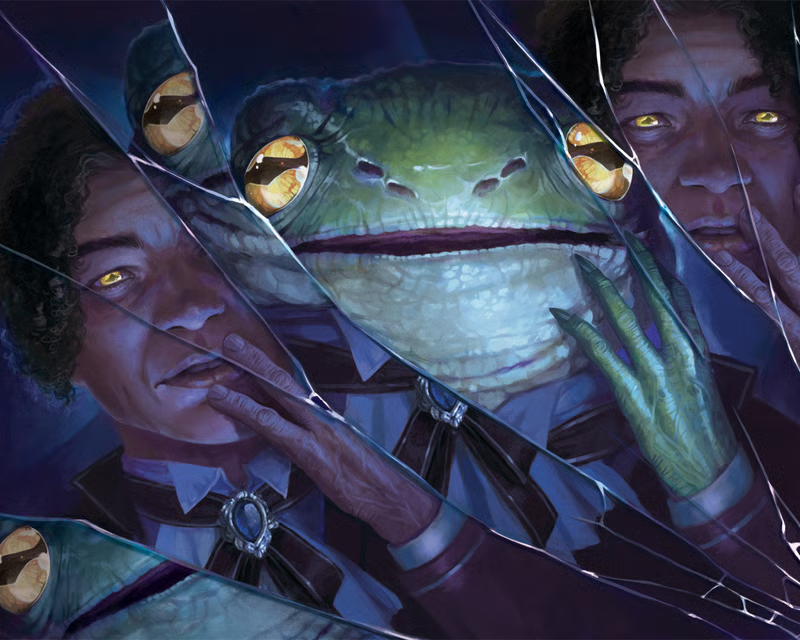
You magically shift your appearance and clothing to avoid recognition.
Spend 2 Hope to cast this spell on yourself or an ally within Close range. The next time the target makes an attack, they can hit an additional target within range that their attack roll would succeed against. You can only hold this spell on one creature at a time.
Make a Spellcast Roll (14). On a success, create a temporary visual illusion no larger than you within Close range that lasts for as long as you look at it. It holds up to scrutiny until an observer is within Melee range.

Make a Spellcast Roll (15) on an object you’re touching that can close (such as a lock, chest, or box). Once per rest on a success, you can lock the object so it can only be opened by creatures of your choice. Someone with access to magic and an hour of time to study the spell can break it.
When you have no adversaries within Melee range, make a Spellcast Roll (13). On a success, spend a Hope to create a portal from where you are to a point within Far range you can see. It closes once a creature has passed through it.
Make a Spellcast Roll. If there is anything magically hidden within Close range the roll would succeed against, it is revealed.
When an ally within Close range takes damage from a target you can see, you can make a Spellcast Reaction Roll against the target. On a success, mark a Stress to deal them
Make a Spellcast Roll against a target within Very Close range. On a success, once per long rest, the target takes
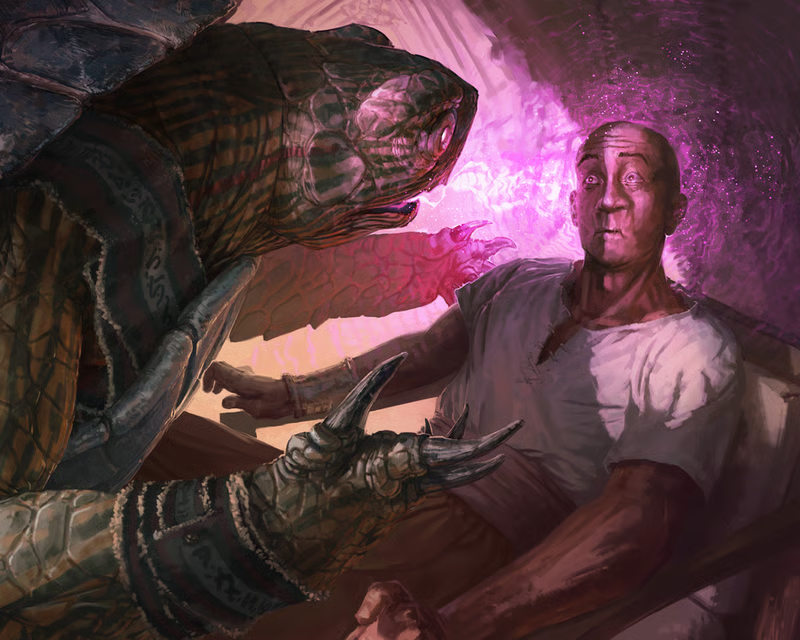
Make a Spellcast Roll against a target within Very Close range. On a success, they can’t lie to you while they remain within Close range, but they are not compelled to speak. If you ask them a question and they refuse to answer, they must mark a Stress and the effect ends. The target is typically unaware this spell has been cast on them until it causes them to utter the truth.
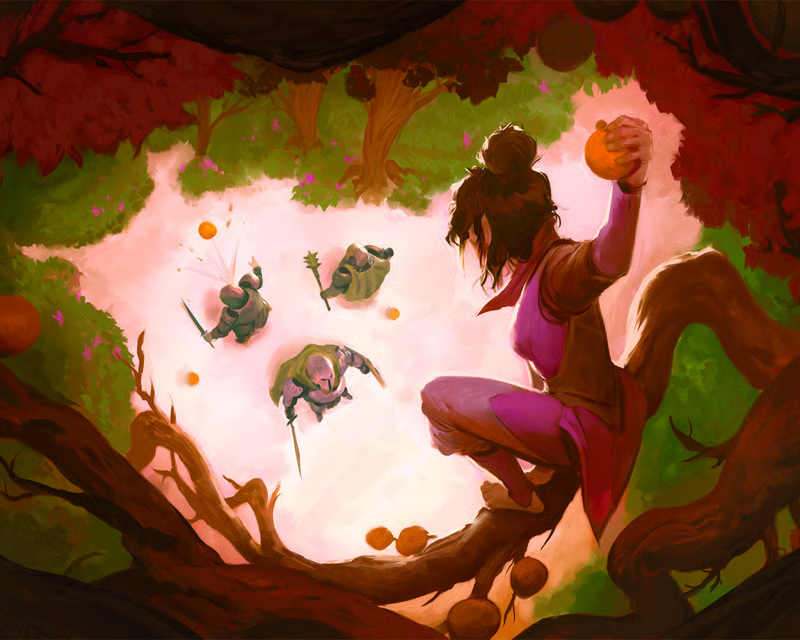
When you taunt or provoke a target within Far range, make a Presence Roll against them. Once per rest on a success, roll a number of d4s equal to your Proficiency. The target must mark Stress equal to the highest result rolled.

Spend a Hope to summon a humanoid-sized spirit that can move or carry things for you until your next rest.
You can also send it to attack an adversary. When you do, make a Spellcast Roll against a target within Very Far range. On a success, the spirit moves into Melee range with that target. Roll a number of d6s equal to your Spellcast trait and deal that much magic damage to the target. The spirit then dissipates. You can only have one spirit at a time.
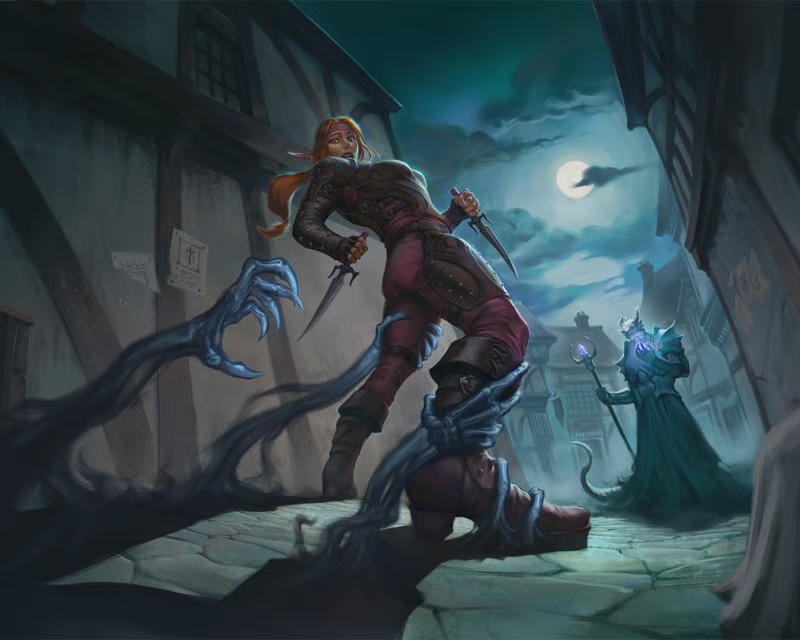
Make a Spellcast Roll against all adversaries within Very Close range. Targets you succeed against are temporarily Restrainedas their shadow binds them in place.

Mark a Stress to conjure armored beetles that encircle you. When you next take damage, reduce the severity by one threshold. You can spend a Hope to keep the beetles conjured after taking damage.
Make a Spellcast Roll against all adversaries within Close range. Spend a Hope to deal

Spend a Hope to summon a small nature spirit or forest critter to your side until your next rest, you cast Natural Familiar again, or the familiar is targeted by an attack. If you spend an additional Hope, you can summon a familiar that flies. You can communicate with them, make a Spellcast Roll to command them to perform simple tasks, and mark a Stress to see through their eyes.
When you deal damage to an adversary within Melee range of your familiar, you add a

You can infuse a corpse with a moment of life to speak with it. Make a Spellcast Roll (13). On a success with Hope, the corpse answers up to three questions. On a success with Fear, the corpse answers one question. The corpse answers truthfully, but it can’t impart information it didn’t know in life. On a failure, or once the corpse has finished answering your questions, the body turns to dust.

Make a Spellcast Roll (13) and target a creature other than yourself within Melee range. On a success, mark a Stress to clear 2 Hit Points or 2 Stress on the target. On a failure, mark a Stress to clear a Hit Point or a Stress on the target. You can’t heal the same target again until your next long rest.

You can interrupt a magical effect taking place by making a reaction roll using your Spellcast trait. On a success, the effect stops and any consequences are avoided, and this card is placed in your vault.

Make a Spellcast Roll (15). On a success, place a number of tokens equal to your Agility on this card (minimum 1). When you make an action roll while flying, spend a token from this card. After the action that spends the last token is resolved, you descend to the ground directly below you.

Once per rest, when a creature within Melee range would deal damage to you, you can avoid the attack and safely move out of Melee range of the enemy.

You can use a different character trait for an equipped weapon, rather than the trait the weapon calls for.
When you deal damage, you can mark a Stress to use the maximum result of one of your damage dice instead of rolling it.
Make a Spellcast Roll against an adversary within Close range. On a success, spend a Hope to do any of following in the order you choose:
• You move the target up to Close range from their current position. To move the target into dangerous terrain, you must spend another Hope.
• The target makes a standard attack against another target of your choice within the attack’s range.
Make a Spellcast Roll (13). On a success, mark a Hit Point to inflame a group’s lifeblood within Far range, making each target mark a Hit Point. If you have at least 3 Hit Points marked, each target marks 2 Hit Points instead.

When you mark an Armor Slot to reduce incoming damage, you can mark a Stress to mark an additional Armor Slot.

When you Help an Ally, they can spend a Hope to add one of your Experiences to their roll alongside your advantage die.
When making a Tag Team Roll, you can roll a

Make a Spellcast Roll to temporarily lift a target you can see up into the air and move them within Close range of their original position.
Spend a Hope to force a target within Melee range to make a Reaction Roll (15). On a failure, they forget the last minute of your conversation.
Mark a Stress to create a temporary magical circle on the ground where you stand. All adversaries within Melee range, or who enter Melee range, take

Make a Spellcast Roll against a target within Far range. On a success, they’re temporarily Restrained and must mark a Stress. If you target a flying creature, this spell grounds and temporarily Restrains them.
Make a Spellcast Roll against a target within Very Far range. On a success, hurl a sphere of fire toward them that explodes on impact. The target and all creatures within Very Close range of them must make a Reaction Roll (13). Targets who fail take
You can transfer suffering from one creature to another. Once per rest, mark any number of Hit Points on a willing creature within Melee range to clear an equal number of Hit Points on another willing creature within Melee range. You can choose yourself in place of either creature.
Make a Spellcast Roll against a target within Far range. On a success, the target marks

Make a Spellcast Roll against all adversaries in front of you within Close range. Once per rest on a success, create an illusion of flashing colors and lights that temporarily Stuns targets you succeed against and forces them to mark a Stress. While Stunned, they can’t use reactions and can’t take any other actions until they clear this condition.

Make a Spellcast Roll (10). On a success, mark a Stress and choose yourself or an ally within Melee range to become Invisible. An Invisible creature can’t be seen except through magical means and attack rolls against them are made with disadvantage. Place a number of tokens on this card equal to your Spellcast trait. When the Invisible creature takes an action, spend a token from this card. After the action that spends the last token is resolved, the effect ends.
You can only hold Invisibility on one creature at a time.

When you position yourself behind a creature who’s about your size, you can mark a Stress to pull them into a chokehold, making them temporarily Vulnerable.
When a creature attacks a target who is Vulnerable in this way, they deal an extra
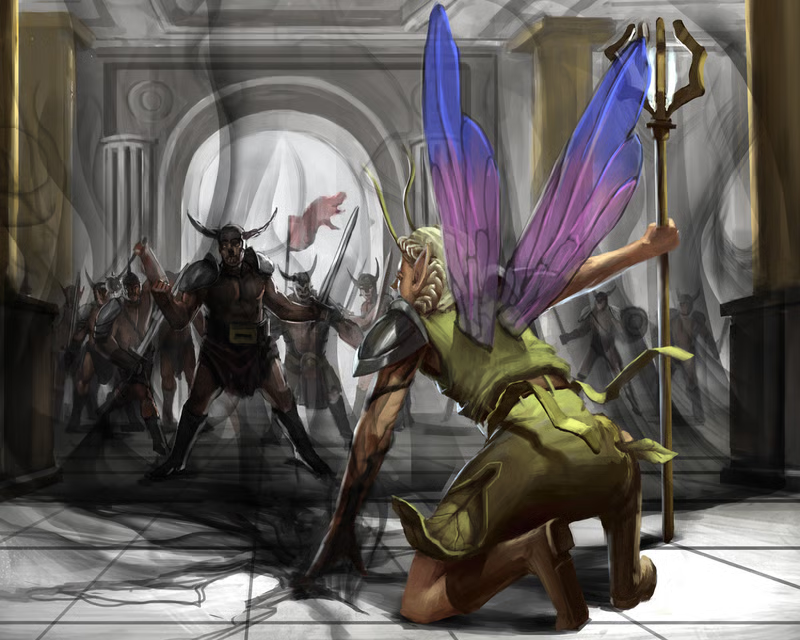
Make a Spellcast Roll (13). On a success, you can create a temporary curtain of darkness between two points within Far range. Only you can see through this darkness. You’re considered Hidden to adversaries on the other side of the veil, and you have advantage on attacks you make through the darkness. The veil remains until you cast another spell.

Make a Spellcast Roll against a target within Far range. On a success, deal

Once per rest, you can conjure a thick, twisting stalk within Close range that can be easily climbed. Its height can grow up to Far range.
Mark a Stress to use this spell as an attack. Make a Spellcast Roll against an adversary or group of adversaries within Close range. The erupting stalk lifts targets you succeed against into the air and drops them, dealing
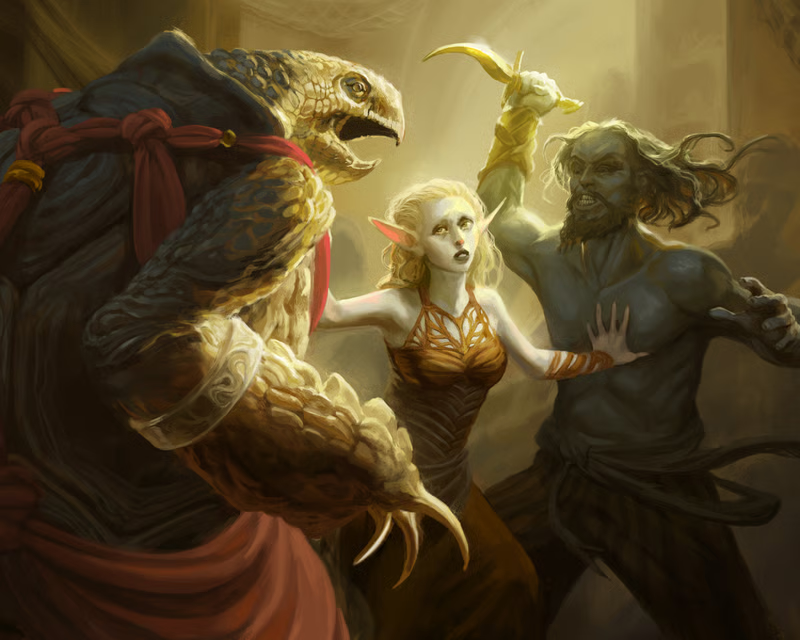
You speak with an unmatched power and authority. You have advantage on action rolls to de-escalate violent situations or convince someone to follow your lead.
Additionally, you’re emboldened in moments of duress. When all of your Stress slots are marked, you gain a +1 bonus to your Proficiency for damage rolls.
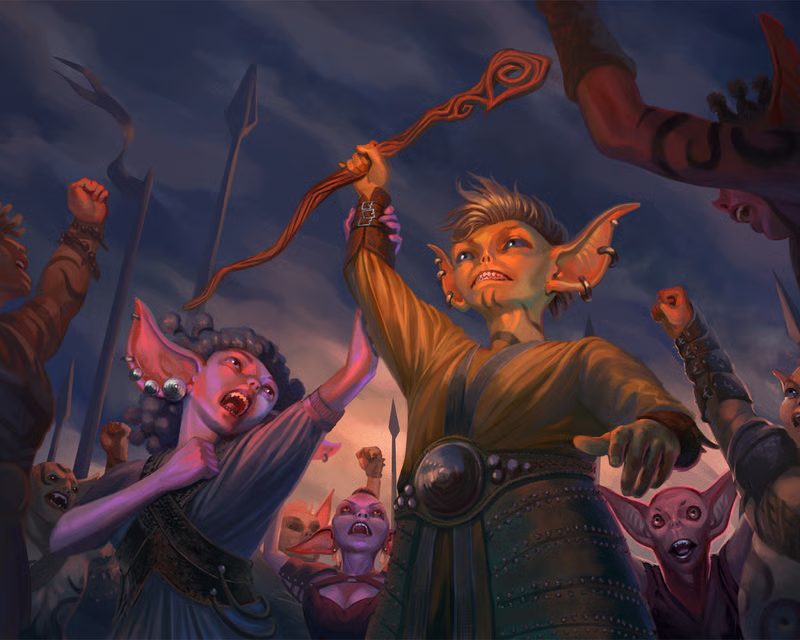
Once per rest, when you critically succeed on an attack, all allies within Very Close range can clear a Stressor gain a Hope.

Make a Spellcast Roll (12). On a success, spend a Hope to teleport to another point you can see within Far range. If any willing creatures are within Very Close range, spend an additional Hope for each creature to bring them with you.

Make a Spellcast Roll against all targets within Melee range. Targets you succeed against are forced back to Far range and take

Once per rest, you can apply all your focus toward a target of your choice. Until you attack another creature, you defeat the target, or the battle ends, gain a +1 bonus to your Proficiency.

While you are wearing armor, gain a +2 bonus to your damage thresholds.
Make a Spellcast Roll against a creature within Far range. On a success, mark a Stress to throw a conjured harpoon of magic blood at the target, dealing
Alternatively, if you target an unheld object or terrain within Far range, make a Spellcast Roll (13). On a success, you pull the object to you, or you pull yourself to the terrain.
Once per long rest, you can mark a Hit Point to clot, suture, and fortify others with your own lifeblood. Each willing target within Very Close range clears a Hit Point and an Armor Slot.

When an attack made against you from beyond Melee range fails, roll a number of d6s equal to your Proficiency. If any roll a 6, you can mark a Stress to redirect the attack to damage an adversary within Very Close range instead.

You can interrupt a magical effect taking place. Make a reaction roll using your Spellcast trait. Once per rest on a success, the effect stops and any consequences are avoided.
Spend a Hope to choose a group of objects around you and create an animated construct from them that obeys basic commands. Make a Spellcast Roll to command them to take action. When necessary, they share your Evasion and traits and their attacks deal

Once per long rest, spend a Hope to negate the damage of an attack targeting you or an ally within Very Close range.
Target an object within Far range. That object stops in time and space exactly where it is until your next rest. If a creature tries to move it, make a Spellcast Roll against them to maintain this spell.
Make a Spellcast Roll (15). On a success, create a temporary wall of magical flame between two points within Far range. All creatures in its path must choose a side to be on, and anything that subsequently passes through the wall takes
Mark 2 Stress to temporarily Chain a target within Close range. When a Chained creature deals damage, the target of their attack reduces the number of Hit Points they mark by one. You can’t have more than one creature Chained at a time.
Make a Spellcast Roll against a target within Far range. On a success, spend a Hope to call forth an otherworldly creature to attack them and deal
After making the attack, the creature dissipates.
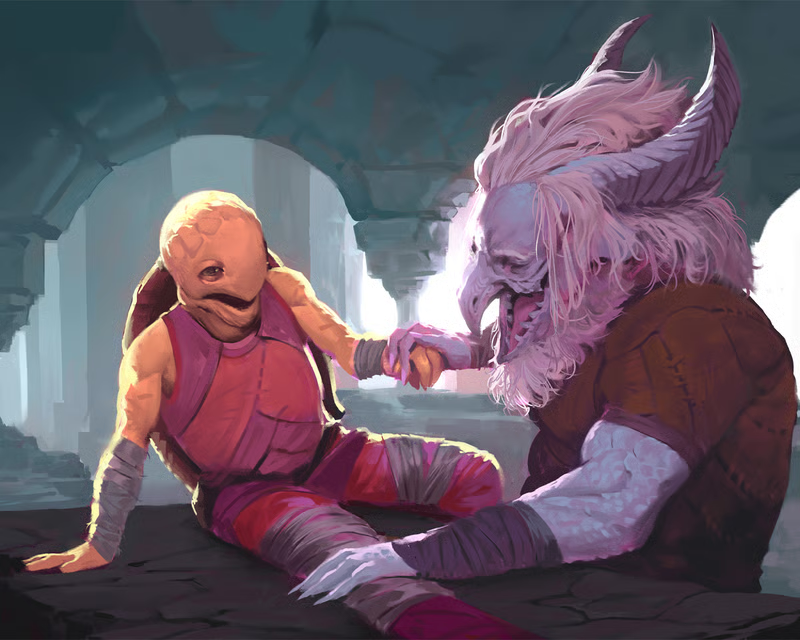
During a short rest, when you take the time to comfort another character while using the Tend to Wounds downtime move on them, clear an additional Hit Point on that character. When you do, you also clear 2 Hit Points.

Choose a target within Very Far range. You can see through their eyes and hear through their ears. You can transition between using your own senses or the target’s freely until you cast another spell or until your next rest.

Make a Spellcast Roll against a target within Very Close range. On a success, spend a Hope to conjure a dark glyph upon their body that exposes their weak points, temporarily reducing the target’s Difficulty by a value equal to your Knowledge (minimum 1).
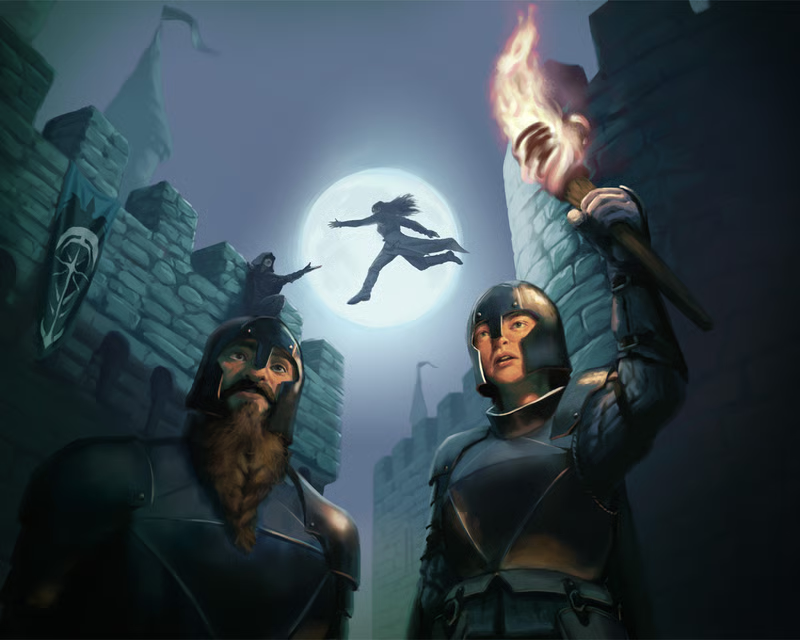
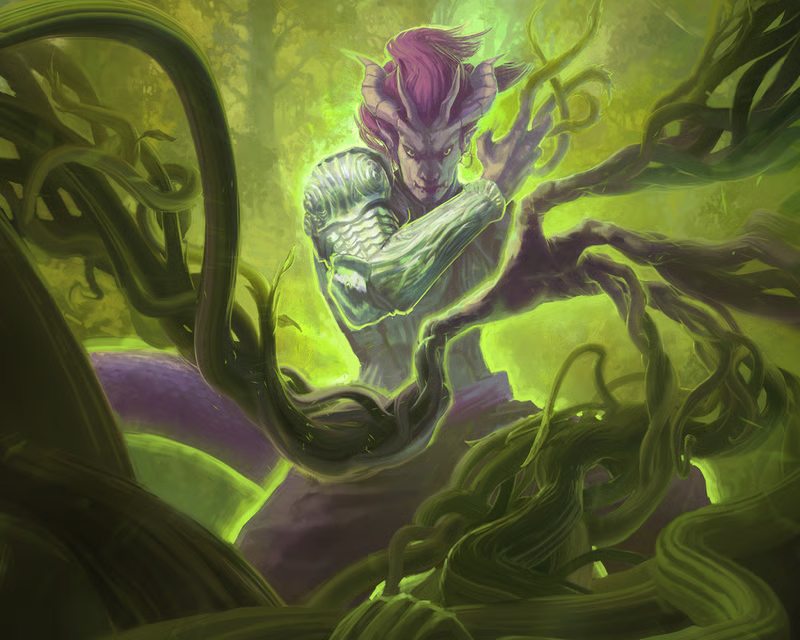
Make a Spellcast Roll against a target within Close range and choose one of the following options:
On a success, vines reach out from your hands, causing the chosen effect and temporarily Restraining the target.


Once per long rest, spend 3 Hope to reach out to the forces beyond and ask one “yes or no” question about an event, person, place, or situation in the near future. For a moment, the present falls away and you see the answer before you.


Describe how you taunt a target within Close range, then make a Presence Roll against them. On a success, the target must mark a Stress, and the next time the GM spotlights them, they must target you with an attack, which they make with disadvantage.

Mark 2 Stress to make a Spellcast Roll, unleashing lightning on all targets within Close range. Targets you succeed against must make a reaction roll with a Difficulty equal to the result of your Spellcast Roll. Targets who fail take
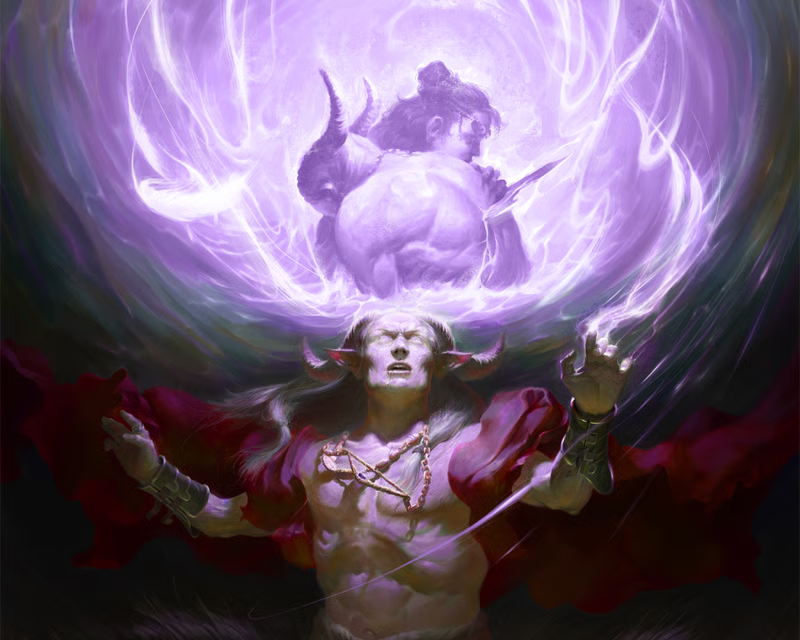
You can channel arcane energy to have visions of the future. Once per long rest, immediately after the GM conveys the consequences of a roll you made, you can rescind the move and consequences like they never happened and make another move instead.

When you critically succeed on an attack, you can spend up to 3 Hope and choose one of the following options for each Hope spent:
You can’t choose the same option more than once.
Make a Spellcast Roll against an adversary within Close range. Once per rest on a success, mark a Hit Point to Infect the target with a tiny magical bloodworm.
Presence Rolls against the Infected target have advantage. When the Infected target makes an attack roll, you can spend a Hope to give the roll disadvantage. The Infected condition lasts until you take a rest or you sacrifice the bloodworm to make the Infected target mark a Hit Point.
Mark a Stress to place a number of tokens equal to your Spellcast trait onto this card and transform into a pool of blood. Remove a token each time you make an action roll or take damage. You drop out of this form when you remove the last token on this card. While in blood form, you gain resistance to physical damage and can slither through any space a liquid can traverse

When observing a creature, you can make an Instinct Roll against them. On a success, spend a Hope and ask the GM for one set of information about the target from the following options:
Additionally on a success, you can mark a Stress to remove a Fear from the GM’s Fear Pool.

Make a Spellcast Roll (15). Once per rest on a success, spend a Hope to create a temporary magical wall between two points within Far range. It can be up to 50 feet high and form at any angle. Creatures or objects in its path are shunted to a side of your choice. The wall stays up until your next rest or you cast Manifest Wall again.

Once per long rest, you can instantly teleport yourself and any number of willing targets within Close range to a place you’ve been before. Choose one of the following options, then make a Spellcast Roll (16):
On a success, you appear where you were intending to go. On a failure, you appear off course, with the range of failure determining how far off course.
After making a successful attack, you can spend 2 Hope to leach power from the target. For each Hit Point your target marked from this attack, the GM loses a Fear.
Mark a Stress to summon an eerie mist that turns you and any targets within Close range momentarily incorporeal. While a creature is incorporeal, they can move through solid objects and are immune to physical damage. A creature becomes corporeal again after they pass through a solid object or make an action roll. Otherwise, this effect drops at the end of the scene.

You can peek into the minds of others. Spend a Hope to read the vague surface thoughts of a target within Far range. Make a Spellcast Roll against the target to delve for deeper, more hidden thoughts.
On a roll with Fear, the target might, at the GM’s discretion, become aware that you’re reading their thoughts.

Whisper words of discord to an adversary within Melee range and make a Spellcast Roll (13). On a success, the target must mark a Stress and make an attack against another adversary instead of against you or your allies.
Once this attack is over, the target realizes what happened. The next time you cast Words of Discord on them, gain a −5 penalty to the Spellcast Roll.
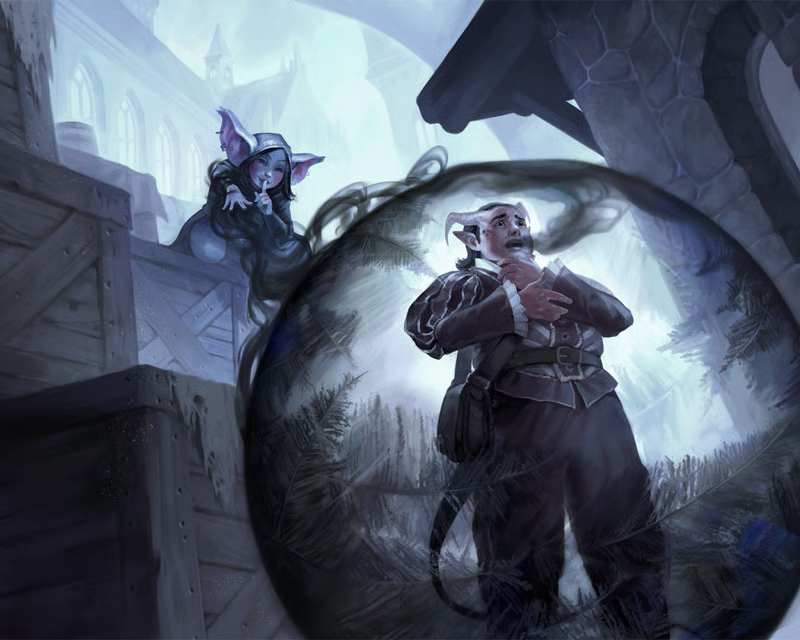
Make a Spellcast Roll against a target within Close range. On a success, spend a Hope to conjure suppressive magic around the target that encompasses everything within Very Close range of them and follows them as they move.
The target and anything within the area is Silenced until the GM spends a Fear on their turn to clear this condition, you cast Hush again, or you take Major damage. While Silenced, they can’t make noise and can’t cast spells.

Spend a Hope to activate Phantom Retreat where you’re currently standing. Spend another Hope at any time before your next rest to disappear from where you are and reappear where you were standing when you activated Phantom Retreat. This spell ends after you reappear.

Once per rest, spend a Hope to sprout thorns all over your body. When you do, place a number of tokens equal to your Spellcast trait on this card. When you take damage, you can spend any number of tokens to roll that number of d6s. Add the results together and reduce the incoming damage by that amount. If you’re within Melee range of the attacker, deal that amount of damage back to them.
When you take a rest, clear all unspent tokens.

Make a Spellcast Roll (13). On a success, spend 2 Hope to grow a natural barricade in the shape of a dome that you and one ally can take cover within. While inside the dome, a creature can’t be targeted by attacks and can’t make attacks. Attacks made against the dome automatically succeed. The dome has a Major damage threshold of 15 and a Severe damage threshold of 30, and lasts until it marks 3 Hit Points. Place tokens on this card to represent marking Hit Points.
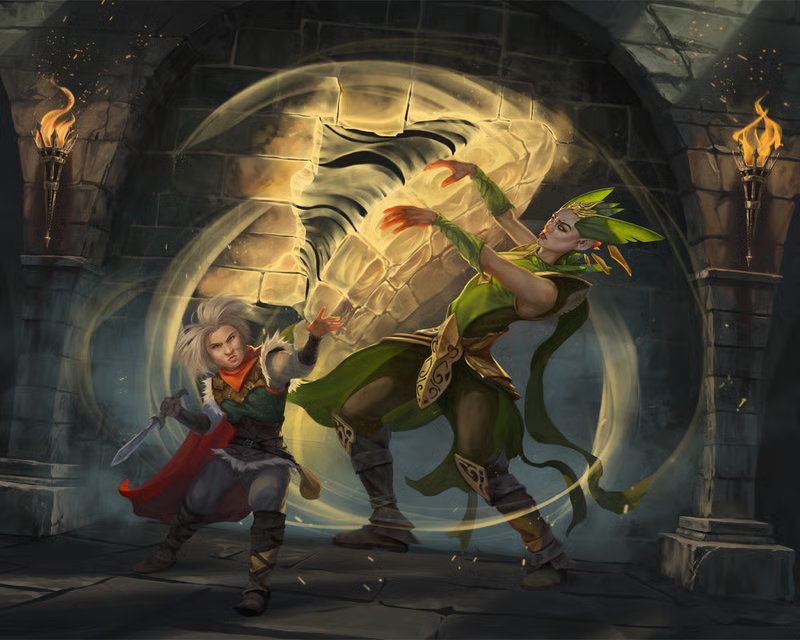
Spend a Hope to shape a section of natural material you’re touching (such as stone, ice, or wood) to suit your purpose. The area of the material can be no larger than you. For example, you can form a rudimentary tool or create a door.
You can only affect the material within Close range of where you’re touching it.

Once per rest, spend 3 Hope to charge your powerful smite. When you next successfully attack with a weapon, double the result of your damage roll. This attack deals magic damage regardless of the weapon’s damage type.

While you’re wearing armor, gain a +1 bonus to your Armor Score.
During a rest, when you choose to repair your armor as a downtime move, your allies also clear an Armor Slot.

Once per rest, when you critically succeed on an attack, you and all allies who can see or hear you can clear a Hit Point or

Make a Spellcast Roll (15). On a success, you place an arcane marking on the ground where you currently stand. The next time you successfully cast Rift Walker, a rift in space opens up, providing safe passage back to the exact spot where the marking was placed. This rift stays open until you choose to close it or you cast another spell.
You can drop the spell at any time to cast Rift Walker again and place the marking somewhere new.
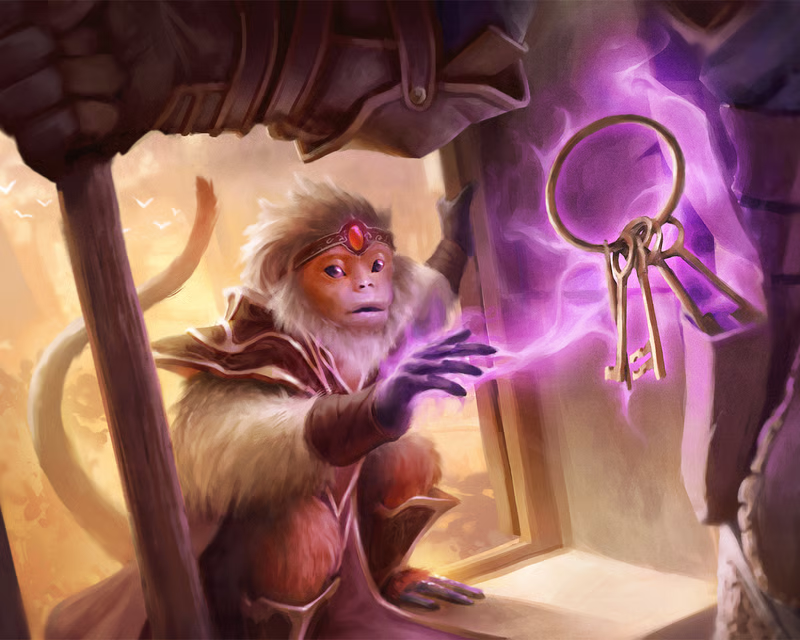
Make a Spellcast Roll against a target within Far range. On a success, you can use your mind to move them anywhere within Far range of their original position. You can throw the lifted target as an attack by making an additional Spellcast Roll against the second target you’re trying to attack. On a success, deal

Once per long rest when you would make a Death Move, you can spend a Hope to clear a Hit Point instead.
Make a Spellcast Roll against an adversary within Close range. On a success, mark a Stress as you slow the target’s vitality. The target is temporarily Restrained and Vulnerable.
Each time the target is spotlighted while either of these conditions persists on them, the target marks a Stress.
Make a Spellcast Roll (14). Once per rest on a success, you conjure a magical tether between yourself and a willing target within Close range that lasts until the end of the scene. When either tethered creature would mark a Hit Point, the other tethered creature can mark a Hit Point instead.

During a short rest, you can choose a long rest downtime move instead. You can spend a Hope to let an ally do the same.

Make a Spellcast Roll against a target within Close range. On a success, roll a number of d20s equal to your Spellcast trait. The target must make a reaction roll with a Difficulty equal to your highest result. On a success, the target must mark a Stress but isn’t banished. Once per rest on a failure, they are banished from this realm.
When the PCs roll with Fear, the Difficulty gains a −1 penalty and the target makes another reaction roll. On a success, they return from banishment.

Mark an adversary within Close range with a sigil of retribution. The GM gains a Fear. When the marked adversary deals damage to you or your allies, place a
Make a Spellcast Roll against all adversaries within Close range. You can spend a Hope for any you succeed against, and they must make a Reaction Roll (14). On a failure, they take
When you deal magic damage to a target, you can mark a Stress to immediately teleport into Melee range of them. When you do, they become Vulnerable until they mark one or more Hit Points.

When you mark 1 or more Hit Points from an attack, you can mark a Stress to place a number of tokens equal to the number of Hit Points you marked on this card. On your next successful attack, gain a +5 bonus to your damage roll for each token on this card, then clear all tokens.


You can speak into the mind of any person with whom you’ve made physical contact. Once you’ve opened a channel with them, they can speak back into your mind. Additionally, you can mark a Stress to make a Spellcast Rollagainst them. On a success, you can ask the GM one of the following questions and receive an answer:

When you have a few minutes of silence to focus, you can mark a Stress to change the appearance of all willing creatures within Close range. Their new forms must share a general body structure and size, and can be somebody or something you’ve seen before or entirely fabricated. A disguised creature has advantage on Presence Rolls to avoid scrutiny.
Activate a Countdown (8). It ticks down as a consequence the GM chooses. When it triggers, the disguise drops.

Spend any number of Hope to conjure that many magical steeds (such as horses, camels, or elephants) that you and your allies can ride until your next long rest or the steeds take any damage. The steeds double your land speed while traveling and, when in danger, allow you to move within Far range without having to roll. Creatures riding a steed gain a −2 penalty to attack rolls and a +2 bonus to damage rolls.

As an additional downtime move you can choose, roll a

After a long rest, place a number of tokens equal to your Spellcast trait on this card. Touch a creature and spend any number of tokens to clear 2 Hit Points or 2 Stress for each token spent.
You can also spend a token from this card when touching a creature to clear the Vulnerable condition or heal a physical or magical ailment (the GM might require additional tokens depending on the strength of the ailment).
When you take a long rest, clear all unspent tokens.

Make a Spellcast Roll (16). Once per long rest on a success, choose a point within Far range and create a visible zone of protection there for all allies within Very Close range of that point. When you do, place a

When you fail an action roll, your next action roll has advantage.

Gain a bonus to your Severethreshold equal to your Proficiency.
When you mark 1 or more Hit Points from an attack, clear a Stress.
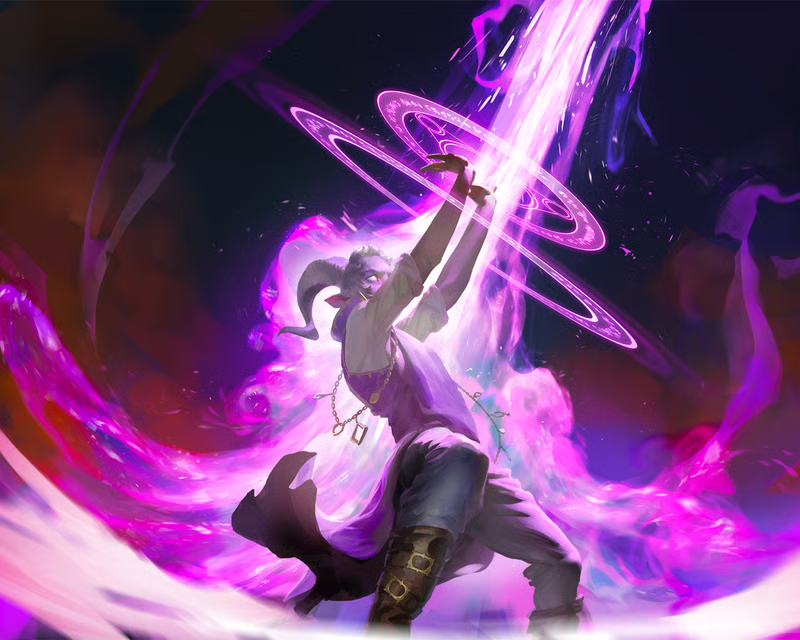
When 4 or more of the domain cards in your loadout are from the Arcana domain, gain the following benefits:

When you make a successful Spellcast Roll to cast a different spell, you can spend a Hope to become Cloaked. While Cloaked, you remain unseen if you are stationary when an adversary moves to where they would normally see you. When you move into or within an adversary’s line of sight or make an attack, you are no longer Cloaked.

When 4 or more of the domain cards in your loadout are from the Blade domain, gain the following benefits:
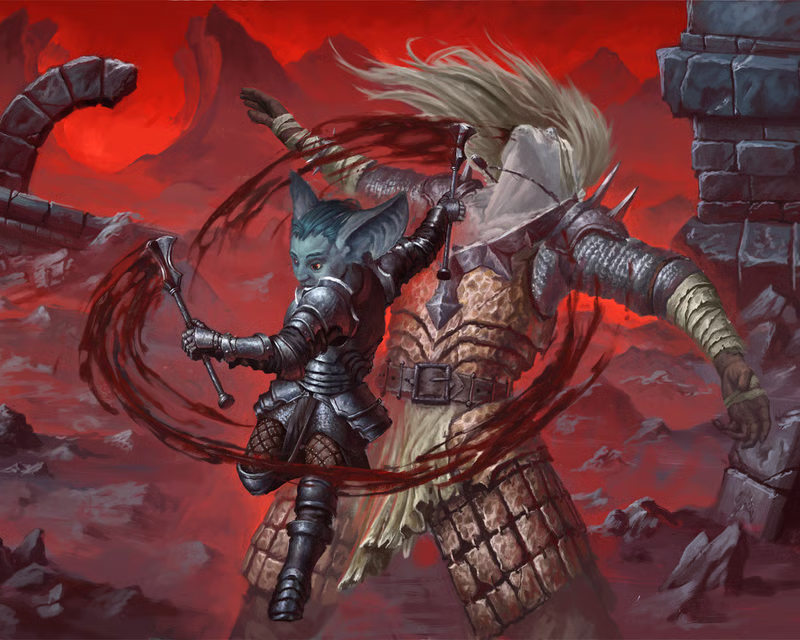
When you fail an attack, you can mark a Stress to deal weapon damage using half your Proficiency.
While 4 or more of the domain cards in your loadout are from the Blood domain, gain the following benefits:
• You gain a Hope when you take Major or greater damage.
• When you make a Spellcast Roll, you can spend a Hope to gain a bonus equal to the number of Hit Points you have marked.
When you deal Major or greater damage to an adversary within Close range, you can mark a Stress to clear a Hit Point.

Make a Spellcast Roll (13). Once per rest on a success, you and all creatures touching you can pass through a wall or door within Close range. The effect ends once everyone is on the other side.
Make a Spellcast Roll (14). Once per long rest on a success, open a gateway to a location in another dimension or plane of existence you’ve been to before. This gateway lasts until your next rest.
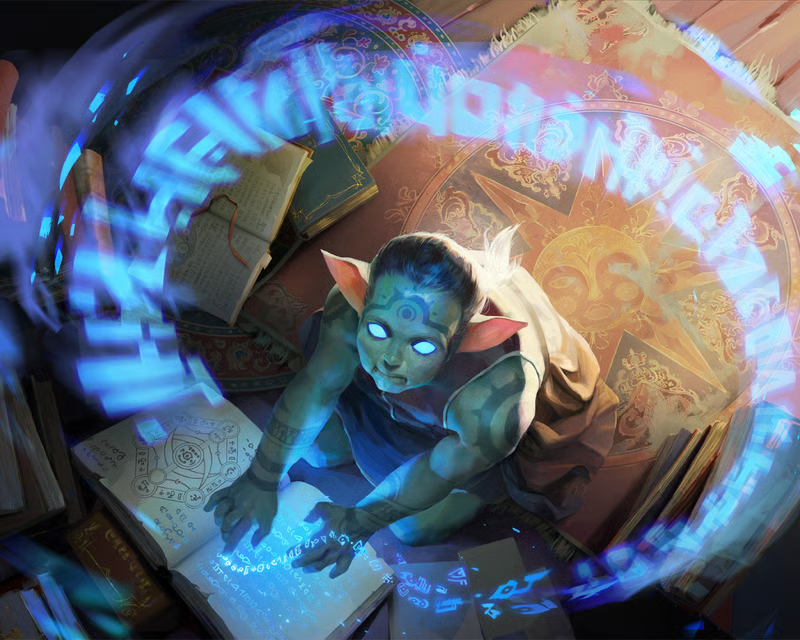
When 4 or more of the domain cards in your loadout are from the Codex domain, gain the following benefits:
When 4 or more of the domain cards in your loadout are from the Dread domain, gain the following benefits:
Succeed a Spellcast Roll (13) to create a visible wall of writhing, necrotic energy in a line between two points within Far range that lasts until you mark a Hit Point or cast this spell again. Any creatures inside the wall when it appears or who try to pass through the wall must mark 2 Stress, then make a Reaction Roll (16). On a failure, they are temporarily Restrained by the wall.

After you make an action roll to persuade, lie, or garner favor, you can spend a Hope to reroll the Hope or Fear Die.
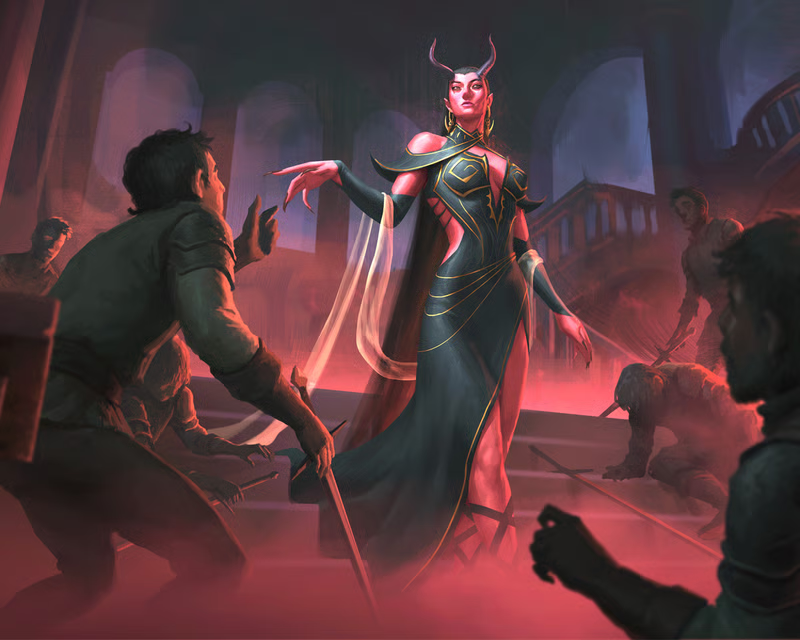
When 4 or more of the domain cards in your loadout are from the Grace domain, gain the following benefits:

When 4 or more of the domain cards in your loadout are from the Midnight domain, gain the following benefits:

When an attack made against you that would deal physical damage fails, you can spend a Hope to envelop yourself in shadow, becoming Hidden and teleporting to a point within Close range of the attacker. You remain Hidden until the next time you make an action roll.

When 4 or more of the domain cards in your loadout are from the Sage domain, gain the following benefits:

Once per long rest, mark a Stress to channel the natural world around you and enhance yourself. Describe how your appearance changes, then place a
While the Wild Surge Die is active, you add its value to every action roll you make. After you add its value to a roll, increase the Wild Surge Die’s value by one. When the die’s value would exceed 6 or you take a rest, this form drops and you must mark an additional Stress.
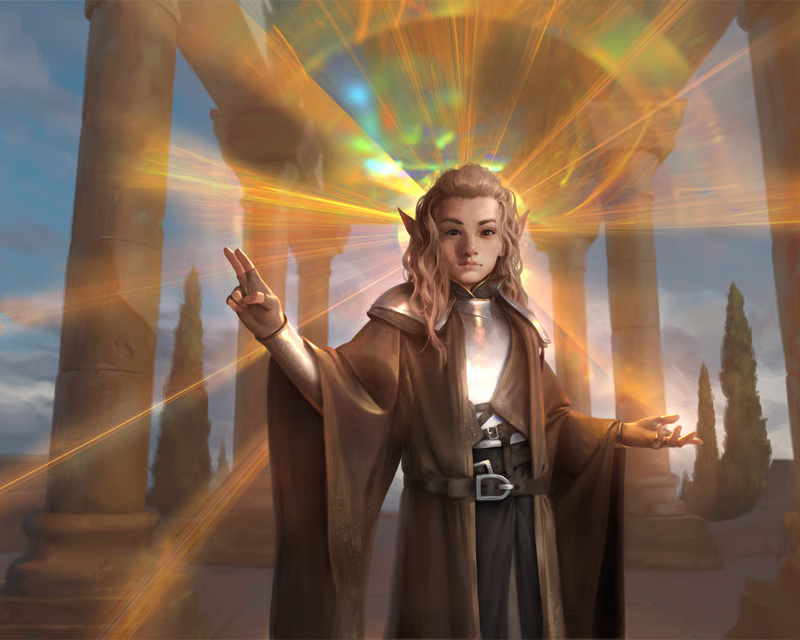
When 4 or more of the domain cards in your loadout are from the Splendor domain, gain the following benefits:
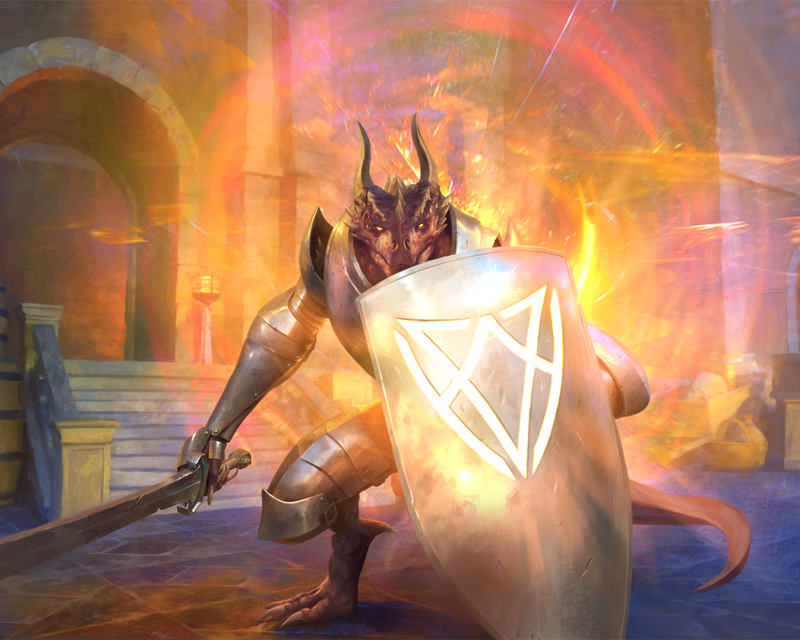
When 4 or more of the domain cards in your loadout are from the Valor domain, gain the following benefits:

When you would take magic damage, you can spend any number of Hope to roll that many d6s. If any roll a 6, the attack is reflected back to the caster, dealing the damage to them instead.

Make a Spellcast Roll (14). Once per long rest on a success, you create a layer of illusion over your body that makes it hard to tell exactly where you are. Mark any number of Stress to make that many additional layers. When an adversary makes an attack against you, roll a number of d6s equal to the number of layers currently active. If any roll a 5 or higher, one layer of the aura is destroyed and the attack fails. If all the results are 4 or lower, you take the damage and this spell ends.


Once per long rest, you can go into a Frenzy until there are no more adversaries within sight.
While Frenzied, you can’t use Armor Slots, and you gain a +10 bonus to your damage rolls and a +8 bonus to your Severe damage threshold.
Once per long rest, when an adversary within Close range is defeated, you can cause their body to erupt with a twisting, veiny tree that oozes life force. Place a number of tokens on this card equal to your Spellcast trait.
A PC within Melee range of the tree can spend a token from this card to siphon life force from the tree and clear a Hit Point.
Choose the physical or magic damage type, and make a Spellcast Roll (15). On a success, you trace a Very Close circle of blood on the ground around you that grants creatures of your choice inside it resistance against that damage type.
The circle lasts until you take Major or greater damage, move outside the circle, or cast this spell again.
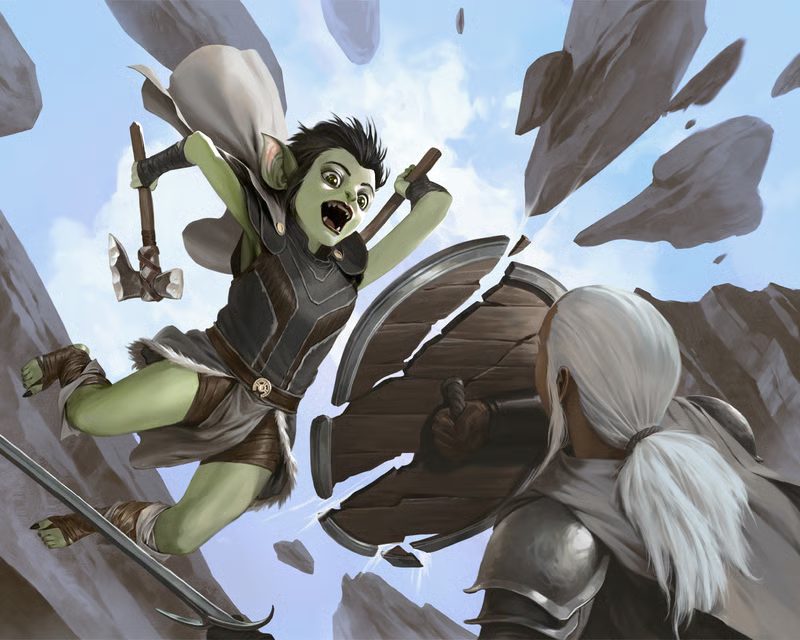
When you make a successful attack, you can mark a Stress to make the next successful attack against that same target deal an extra
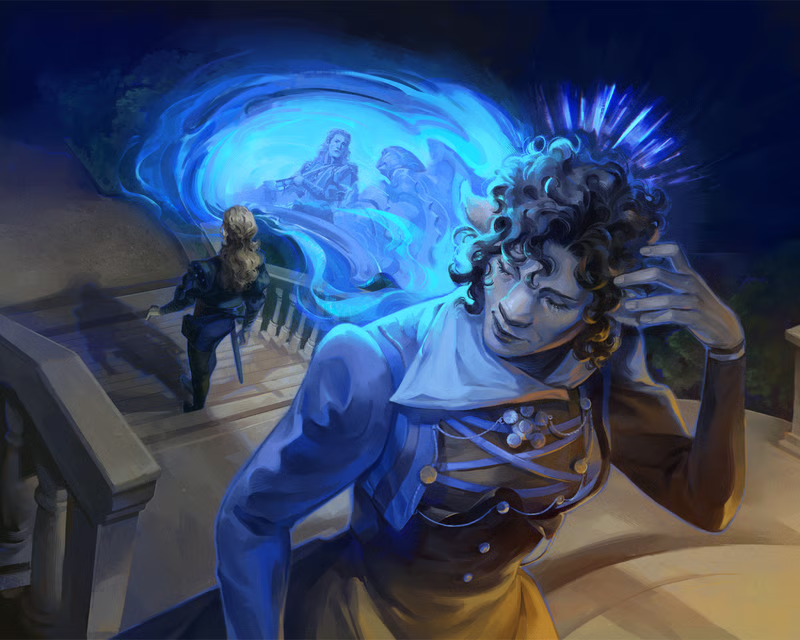
Make a Spellcast Roll against a target within Far range. On a success, peer into the target’s mind and ask the GM a question. The GM describes any memories the target has pertaining to the answer.
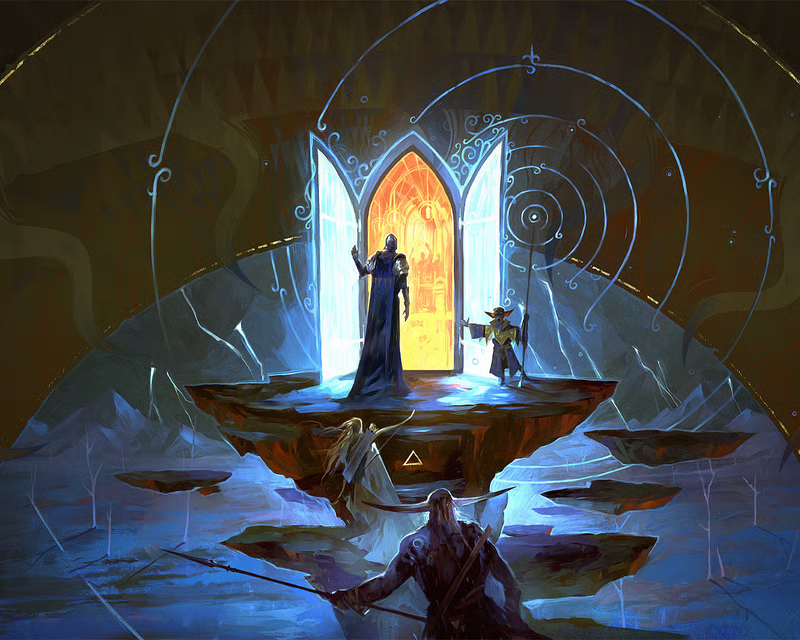
When you have a few minutes of calm to focus, you can spend 2 Hope to summon your Safe Haven, a large interdimensional home where you and your allies can take shelter. When you do, a magical door appears somewhere within Close range. Only creatures of your choice can enter. Once inside, you can make the entrance invisible. You and anyone else inside can always exit. Once you leave, the doorway must be summoned again.
When you take a rest within your own Safe Haven, you can choose an additional downtime move.
Make a Spellcast Roll (14). Once per long rest, on a success you can summon a group of fiends that surround and move with you. Place 8 tokens on this card. When you deal damage to a target within Very Close range, you can spend a token to increase it by +
Remove all tokens from this card on your next rest.
You embody the darkness you have dallied with. When this card is in your loadout:

Once per long rest, mark a Stress to create a projected copy of yourself that can appear anywhere you’ve been before.
You can see and hear through the projection as though it were you and affect the world as though you were there. A creature investigating the projection can tell it’s of magical origin. This effect lasts until your next rest or your projection takes any damage.

Make a Spellcast Roll against all targets within Far range. Targets you succeed against become temporarily Enraptured. While Enraptured, a target’s attention is fixed on you, narrowing their field of view and drowning out any sound but your voice. Mark a Stress to force all Enraptured targets to mark a Stress, ending this spell.

Your prowess is enhanced under the cover of shadow. While you’re shrouded in low light or darkness, you gain a +1 bonus to your Evasion and make attack rolls with advantage.

When you take magic damage, place tokens equal to the number of Hit Points you marked on this card. You can store a number of tokens equal to your Spellcast trait.
When you make a successful attack against a target, you can spend any number of tokens to add a

Make a Spellcast Roll (13). On a success, spend any number of Hope to create an equal number of small forest sprites who appear at points you choose within Far range, providing the following benefits:
A sprite vanishes after granting a benefit or taking any damage.

Make a Spellcast Roll (15). Once per rest on a success, create a temporary barrier of protective energy around you at Very Close range. You and all allies within the barrier when this spell is cast clear
When you move, the barrier follows you.

Mark a Stress to cast a protective aura on a target within Very Close range. When the target marks an Armor Slot, they reduce the severity of the attack by an additional threshold. If this spell causes a creature who would be damaged to instead mark no Hit Points, the effect ends.
You can only hold Shield Aura on one creature at a time.
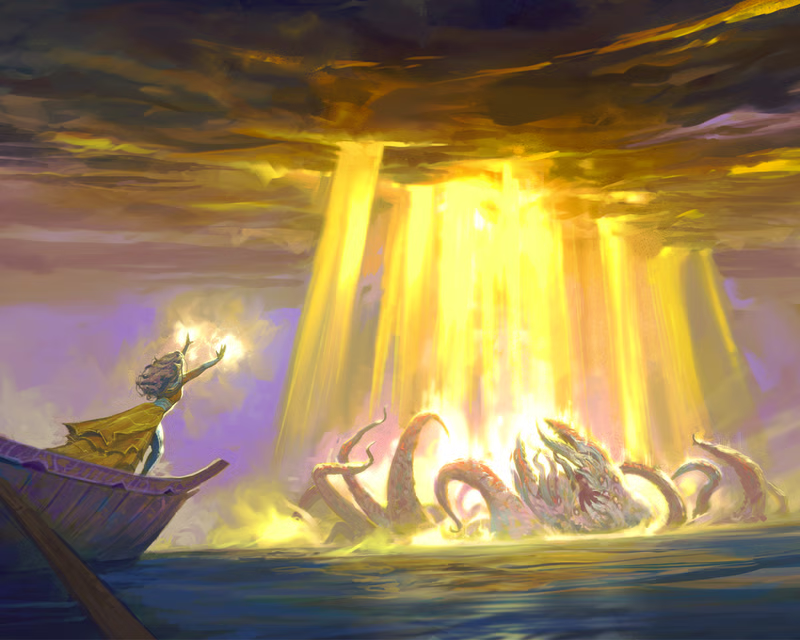
Make a Spellcast Roll to unleash powerful rays of burning sunlight against all adversaries in front of you within Far range. On a success, spend any number of Hope and force that many targets you succeeded against to make a Reaction Roll (14).
Targets who succeed take

Once per long rest, mark 3 Stress to push your body to its limits. Gain a +2 bonus to all of your character traits until your next rest.
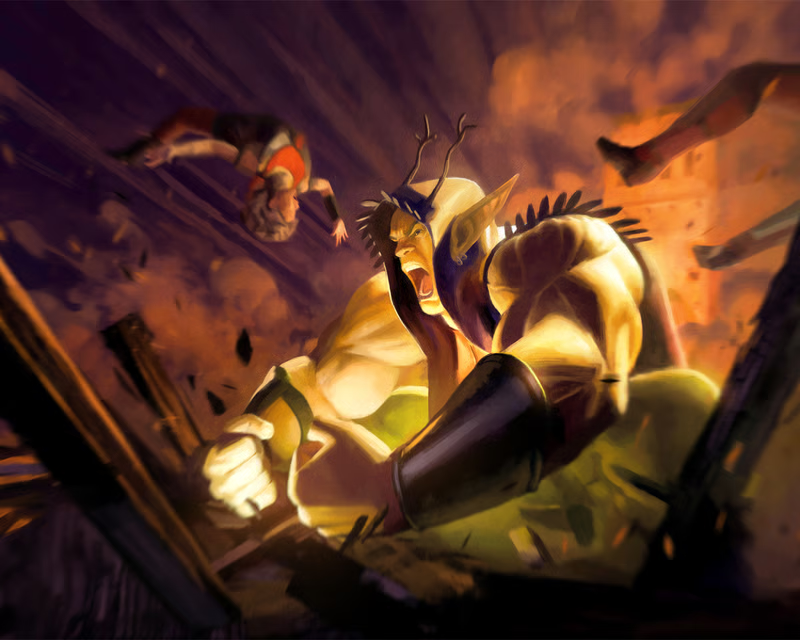
Spend 2 Hope to strike the ground where you stand and make a Strength Roll against all targets within Very Close range. Targets you succeed against are thrown back to Far range and must make a Reaction Roll (17). Targets who fail take

Make a Spellcast Roll (16). Once per rest on a success, all targets within Very Far range who aren’t flying must make a Reaction Roll (18). Targets who fail take
Additionally, when you succeed on the Spellcast Roll, all terrain within Very Far range becomes difficult to move through and structures within this range might sustain damage or crumble.

Once per rest, make a Spellcast Roll (15). On a success, drop into a vision that lets you clearly see and hear any place you have been before as though you are standing there in this moment. You can move freely in this vision and are not constrained by the physics or impediments of a physical body. This spell cannot be detected by mundane or magical means. You drop out of this vision upon taking damage or casting another spell.

When you critically succeed on a weapon attack, gain an additional Hope or clear an additional Stress.
Additionally, when you deal enough damage to defeat an enemy, gain a Hope or clear a Stress.

Once per long rest, spend a Hope to make an attack roll. The GM tells you which targets within range it would succeed against. Choose one of these targets and force them to mark 5 Hit Points.
Make a Spellcast Roll against a target within Close range. On a success, spend a Hope to mark the target with a magical glyph that causes them to bleed profusely. Until the glyph fades, damage the target takes is increased by one threshold.
The glyph fades when you take a rest, you cast this spell again, or the target takes Severe or greater damage
Mark a Hit Point to make a Spellcast Roll against all targets within Close range in front of you. On a success, deal

When you have 2 or fewer Hit Points unmarked, you don’t take Minor damage.
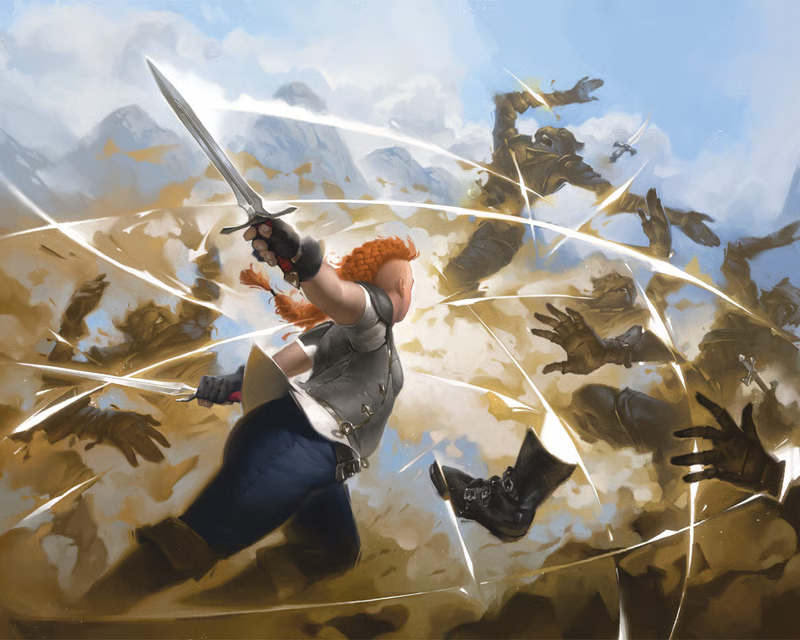
Spend a Hope and make an attack against all adversaries within your weapon’s range. Once per long rest, on a success against any targets, roll your weapon’s damage and distribute that damage however you wish between the targets you succeeded against. Before you deal damage to each target, roll an additional damage die and add its result to the damage you deal to them.

Make a Spellcast Roll (15). On a success, transform into an inanimate object no larger than twice your normal size. You can remain in this shape until you take damage.
Once per long rest, make a Spellcast Roll against a target within Close range. On a success, they become permanently Vulnerable. They can’t clear this condition by any means.

Make a Spellcast Roll (18). Once per long rest on a success, the GM tells you which adversaries within Far range have a Difficulty of 18 or lower. Mark a Stress for each one you wish to hit with this spell. They are killed and can’t come back to life by any means.
Make a Spellcast Roll against a target within Far range. On a success, mark any number of Stress to roll an equal number of d20s, dealing magic damage equal to the total result. If the target is defeated as a result of this attack, all adversaries within Far range of the target mark a Stress.
When an adversary within Close range marks Stress or takes Severe damage, you can spend a Hope to clear a Stress or force the GM to lose a Fear.

Gain a permanent +2 bonus to two of your Experiences or a permanent +3 bonus to one of your Experiences. Then place this card in your vault permanently.
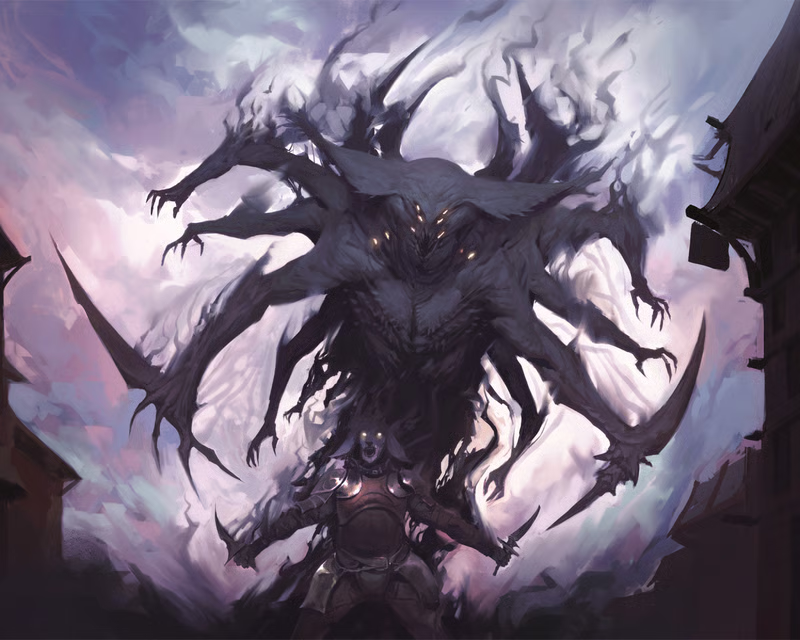
Once per long rest, choose any targets within Very Close range to perceive you as a nightmarish horror. The targets must succeed on a Reaction Roll (16) or become temporarily Horrified. While Horrified, they’re Vulnerable. Steal a number of Fear from the GM equal to the number of targets that are Horrified (up to the number of Fear in the GM’s pool). Roll a number of d6s equal to the number of stolen Fear and deal the total damage to each Horrified target. Discard the stolen Fear.

Choose a target within Far range. When you succeed on an action roll against them that doesn’t result in making a damage roll, place a token on this card. When you deal damage to this target, spend any number of tokens to add a
When you choose a new target or take a rest, clear all unspent tokens.

After a long rest, place a number of tokens equal to the number of Sage domain cards in your loadout and vault on this card.
When you would make a Spellcast Roll, you can spend any number of tokens after the roll to gain a +1 bonus for each token spent.
When you critically succeed on a Spellcast Roll for a Sage domain spell, gain a token.
When you take a long rest, clear all unspent tokens.

Make a Spellcast Roll (18). Once per long rest on a success, you reshape the natural world, changing the surrounding plant life anywhere within Far range of you. For example, you can grow trees instantly, clear a path through dense vines, or create a wall of roots.
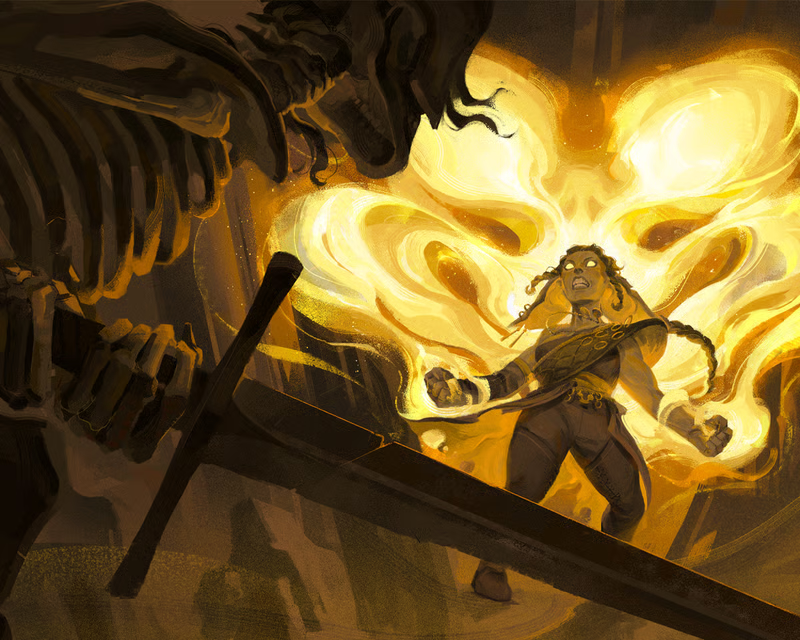
Make a Spellcast Roll (15) to magically empower your aura. On a success, spend 2 Hope to make your Presence equal to your Spellcast trait until your next long rest.
While this spell is active, an adversary must mark a Stress when they target you with an attack.

Make a Spellcast Roll (16). On a success, mark any number of Stress to target a line of allies within Far range. You can clear Hit Points on the targets equal to the number of Stress marked, divided among them however you’d like.

Describe the defensive stance you take and spend a Hope. If an adversary moves within Very Close range, they’re pulled into Melee range and Restrained .
This condition lasts until you move or fail a roll with Fear, or the GM spends 2 Fear on their turn to clear it.

After you or a willing ally make any roll, you can spend 5 Hope to change the numerical result of that roll to a result of your choice instead. The result must be plausible within the range of the dice.

Make a Spellcast Roll against all adversaries within Far range. Mark any number of Stress to make shards of arcana rain down from above. Targets you succeed against take

When you make a successful attack against an adversary, you can mark 4 Stress to force the target to mark a number of Hit Points equal to the number of Hit Points you currently have marked instead of rolling for damage.
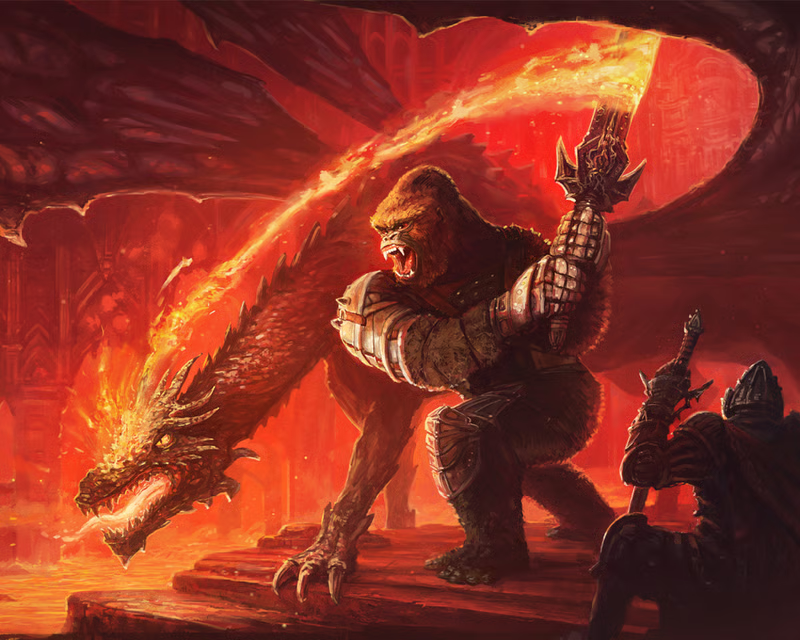
When you successfully make an attack with your weapon, you never deal damage beneath a target’s Major damage threshold (the target always marks a minimum of 2 Hit Points).
Additionally, when a creature within your weapon’s range deals damage to an ally with an attack that doesn’t include you, you can mark a Stress to force them to make a Reaction Roll (15). On a failure, the target must mark a Hit Point.
Make a Spellcast Roll against an adversary within Close range. Once per rest on a success, roll a number of d6s equal to the number of Hit Points you have marked, and you can mark an additional Hit Point to reroll any number of these dice. The target marks a Hit Point for each result of 4 or higher.
Your wounds seal into armored scabs. When you mark 2 or more Hit Points from an attack, clear an Armor Slot.

Spend 3 Hope to run a straight path through the battlefield to a point within Far range, making an attack against all adversaries within your weapon’s range along that path. Choose the order in which you deal damage to the targets you succeeded against. For the first, roll your weapon damage with a +1 bonus to your Proficiency. Then remove a die from your damage roll and deal the remaining damage to the next target. Continue to remove a die for each subsequent target until you have no more damage dice or adversaries.
You can’t target the same adversary more than once per attack.

Make a Spellcast Roll (18). On a success, time temporarily slows to a halt for everyone within Far range except for you. It resumes the next time you make an action roll that targets another creature.

Once per long rest, spend 5 Hope to cast this spell on two or more willing creatures. Until your next rest, when a creature connected by this union would mark Stress or Hit Points, the connected creatures can choose who marks it.

Mark a Stress to transform into a creature fueled by fear. While in this form, your damage rolls gain a +
You must spend a Hope to make an action roll while in this form. Otherwise, you drop out of this form.
Targets with all of their Stress marked take double damage from your attacks.
Additionally, when you defeat a creature with all of its Stress marked, you clear a Stress.

When an ally within Close range deals damage to an adversary, you can make a Spellcast Roll against that same target. On a success, you deal the same damage to the target that your ally dealt. If your Spellcast Roll succeeds with Fear, place this card in your vault.

People know who you are and what you’ve done, and they treat you differently because of it. When you leverage your notoriety to get what you want, you can mark a Stress before you roll to gain a +10 bonus to the result. Your food and drinks are always free wherever you go, and everything else you buy is reduced in price by one bag of gold (to a minimum of one handful).
This card doesn’t count against your loadout’s domain card maximum of 5 and can’t be placed in your vault.

Make a Spellcast Roll (16). Once per long rest on a success, plunge the entire area within Far range into complete darkness only you and your allies can see through. Attack rolls have disadvantage when targeting you or an ally within this shadow.
Additionally, when you or an ally succeeds with Hope against an adversary within this shadow, the target must mark a Stress.
This spell lasts until the GM spends a Fear on their turn to clear this effect or you take Severe damage.

Mark a Stress to transform into a hulking nature spirit, gaining the following benefits:
Before you make an action roll, you must spend a Hope. If you can’t, you revert to your normal form.

Choose one of the following tempests and make a Spellcast Roll against all targets within Far range. Targets you succeed against experience its effects until the GM spends a Fear on their turn to end this spell.
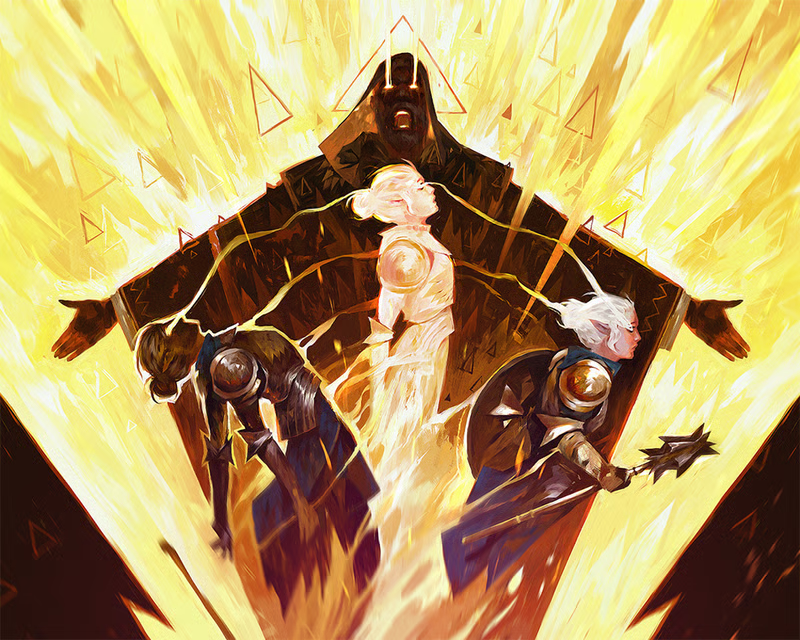
Make a Spellcast Roll (20). On a success, restore one creature who has been dead no longer than 100 years to full strength. Then roll a
On a failure, you can’t cast Resurrection again for a week.

When you would mark an Armor Slot, roll a number of d6s equal to your Proficiency. If any roll a 6, reduce the severity by one threshold without marking an Armor Slot.